Hello everyone, this is Tsutsumi from GO ASIA TRAIL.
Today, I would like to share with you an exercise I have been working on recently: Primal Movement.
I have been trying to incorporate it into my trail running and daily training to make it more effective, and I have seen amazing changes, ranging from improved shoulder and back pain to improved running performance. In this article, I will explain the basics of Primal Movement properly and then share my personal experience with you. If you live a desk-bound lifestyle or are looking to improve your flexibility and coordination, this is a great place to start.
What is Primal Movement?
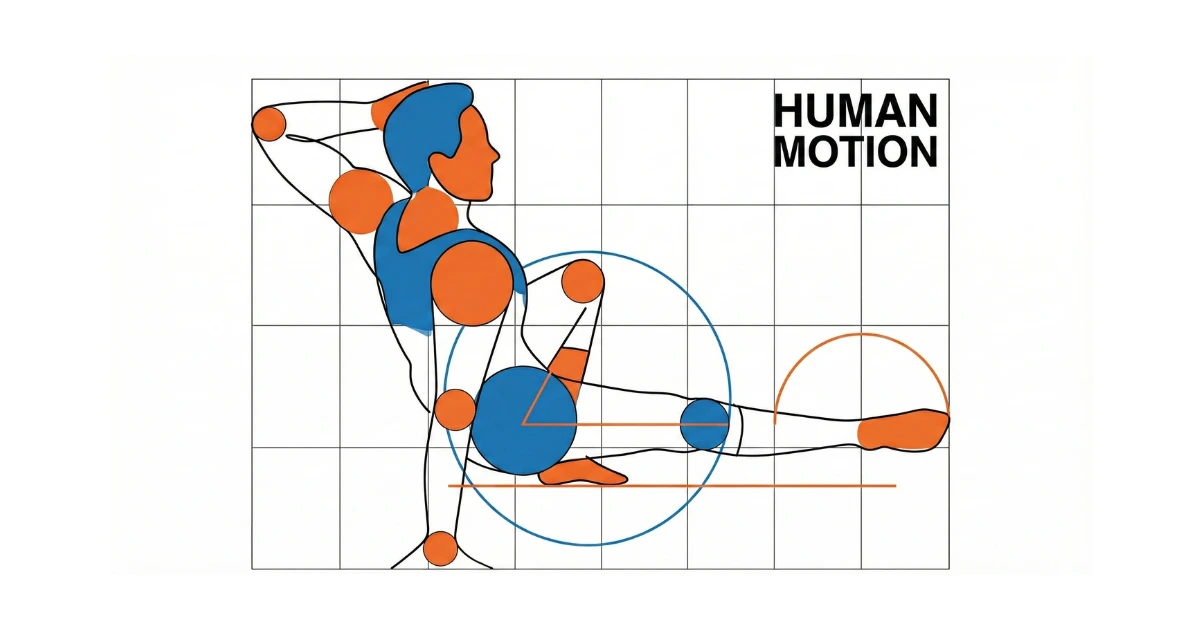
Primal Movement is a training method for relearning and practicing the instinctive, foundational movements that humans have naturally acquired over the course of evolution. Specifically, the exercises mimic the developmental stages of babies and animal movements, and consist of seven basic patterns: crawling, beast hold, squat, lunge, twist, push, pull, bend, jump, and hinge (hip hinge). patterns. These are based on movements that our ancestors performed on a daily basis in hunting and migration.
The main objectives are to strengthen the trunk, improve flexibility and range of motion, improve body awareness, and increase the efficiency of functional movements necessary for daily life and sports. Modern life is dominated by sedentary desk work and linear training (e.g., up-and-down, back-and-forth movements at the gym), which tends to cause the body to lose its natural interlocking ability. Primal Movement brings out such “dormant potential” and fosters functional strength and coordination. Benefits include pain reduction (especially in the shoulders, hips, and knees), improved posture, injury prevention, and overall mobility. According to research and experts, it has elements similar to yoga and calisthenics (weight training), but is more primitive and practical.
Often known in Japan as “Animal Flow,” Animal Flow is positioned as one of the specific programs (trademarked exercises) of Primal Movement. To use an analogy, the relationship is like that of a specific event like K-1 or RIZIN within the martial arts genre. Both feature flow (flowing sequences) incorporating animal movements and are easy to start even for beginners.
How I first encountered Primal Movement
I first came across this exercise around September 2025, through a recommended video on YouTube. I myself had been incorporating strength training, HIIT (High Intensity Interval Training), yoga, stretching, myofascial release, etc. into my daily routine, mainly trail running. I thought I was reasonably conscious of body care, but I wanted something new and stimulating.
Then this video came along: 5 Primal Movements That Fix 95% of Your Problems. The video introduces the following five basic Primal Movements, demonstrating each and explaining their benefits in detail:
- Beast Hold: Hold on all fours with knees slightly raised. Increases core and shoulder stability and activates deep stabilizers.
- Kick Through: Kick and rotate the legs from the beast position. Restores spinal rotation and improves cross-body control.
- Deep Squat Flow: Transition from deep squat to forward bend. Improves hip rotation, ankle mobility, and lower body stiffness.
- Crawling: Crawling movement in a beast position. Strengthens shoulder blades and rebuilds hip and core coordination.
- 90-90 Hip Flow: Hip lift with legs bent at 90 degrees. Increases hip internal and external rotation and reduces knee and back problems.
The exciting title, “95% of problems can be solved with 5 Primal Movements,” sounded interesting, so I gave it a try right away, and after only a couple of sessions, my shoulder and hip coordination improved dramatically. Since then, I have continued Primal Movement almost every day. As the video advises, I recommend starting with a routine once or twice a week and gradually increasing the intensity.
Effects on daily routine and work: a desk job savior
My day job is as a software engineer, so I sit at a desk all day long. I have a Flexispot electric elevating desk, but I had to sit most of the time because I couldn’t be bothered to stand up (laughs).
But after adopting Primal Movement, things changed drastically. The pain in my shoulders and back has been greatly reduced, and on the contrary, it has become easier to work standing up. Of course, I sit down when I take a break, but the time I spend standing has naturally increased, and I feel that blood flow throughout my body has improved. In fact, I may be actively standing and working at my desk more often.
I believe this is because Primal Movement improves the coordination of the entire body through rotational and crawling movements. Conventional stretching only improves flexibility temporarily, but Primal awakens “natural human movement,” which can have lasting effects. The fact that it activates the range of motion of deep muscles and joints, which are easily lost in modern life, makes it more appealing than stretching.
Impact on Trail Running: My Running Has Changed
I have noticed significant changes in my running and trail running. In particular, the range of motion around the shoulder blades and shoulders has increased, and arm swing is smoother. Thanks to the improved flexibility of my hip joints, my running efficiency has increased. When not only the lower body but also the upper body is in good condition, it is easier to breathe and less tiring even on long distances.
Thanks to the fact that I have been doing this since the fall of 2025, 2025 has been a year of breakthroughs in my overall training. The key is not so much strength gains as it is body coordination. It is the feeling of rotation and multi-directional movement that “wakes up” the body in a way that linear movements (up, down, back and forth) in the gym cannot provide.
Why do you recommend Primal Movement?
The most attractive thing about Primal Movement is that it is easy for anyone to start.
It requires no equipment and can be practiced at home or in the park. Beginners can start with the five movements in the video, and if they want to take it a step further, they can look for animal flow classes in Japan. However, correct form is important, so learn from a reliable source. Start with a short time at first to avoid the risk of injury.
The channel I find most helpful is the videos by “smoov,” who teaches Primal Movement and other mobility workouts to his clients in the US. He has a variety of exercises for beginner and intermediate levels, from short 10-minute sessions to 30-minute sessions, so I think you can choose the one that best suits your needs.

I especially like this session.
For desk workers and runners like myself, it is the perfect tool to enhance our daily functionality. Drawing out the body’s natural potential can change everything, from daily life to sports.
Incidentally, over the past week or two, I’ve been in the process of developing my own trail running and marathon-matching workout sessions myself, and I’m hoping to eventually incorporate them into my morning routine through trial and error.
I encourage everyone to give it a try! If you have any questions, I’d love to hear from you in the comments; this was Tsutsumi from GO ASIA TRAIL.